

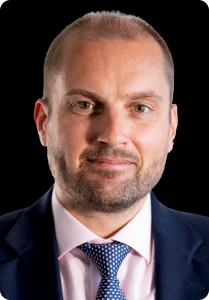
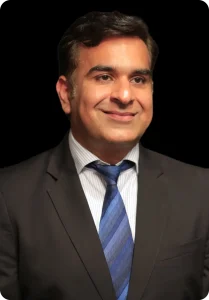
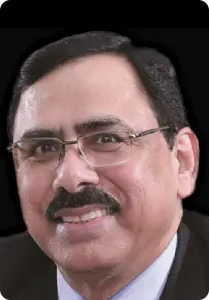
Essar participated at the India Infrastructure Forum 2026, centred on the theme “Unlocking the Next Phase of Infrastructure Growth,” the forum brought together policymakers, developers and financiers to discuss the capital, frameworks and partnerships that will fund India’s next infrastructure cycle. Representing Essar was Anshumali Dwivedi, Chief Financial Officer, Head of Strategy and Wholetime Director, Essar Ports Ltd, who participated in the panel discussion on “Financing of Infrastructure: Emerging Sources, Evolving Frameworks and New Strategies,” sharing his perspective on how the sources and structures of infrastructure capital are changing.
On the most significant financing development of the past year, Anshumali pointed to movement on the long-awaited Maritime Development Fund. A fund manager has been identified, and the fund is being set up, he said, adding that after years of it being discussed in successive budgets, maritime infrastructure developers will be keen to see it start investing soon.
Framing the broader shift in capital, he said that “stages of evolution of infrastructure determine the kind of capital it’s able to attract.” India’s build-out phase ran largely on project finance and bank funding; as assets mature, they draw far more creative pools of capital. Green capital is emerging as another pool, he added, with developers now building the green angle in at inception rather than retrofitting it later, while monetisation of operational and early commercial assets remains a major source of funding.
From a borrower’s perspective, he observed that the lending pool has widened and deepened, though scrutiny and diligence have risen sharply. The gap lies on the lender side, where teams that understand niche sectors are often missing. But the real constraint, he argued, is not the availability of funds- it is the availability of investable projects. The task is envisaging projects that stay bankable through their entire life cycle: able to draw project finance at inception, go on to be listed, and eventually be pooled into vehicles that attract a different class of investor. In maritime infrastructure, he noted, take-or-pay contracts make projects considerably more bankable.
He also cautioned that the system has become over-regulated, with frequent circulars leaving participants anticipating the next rule rather than solving problems and called for faster dispute resolution and a more commercial approach in line with mature markets.
The session highlighted a shift in how infrastructure financing is being approached in India from asking where the money will come from, to whether projects are designed well enough to attract the right capital at each stage of their life.























 User