

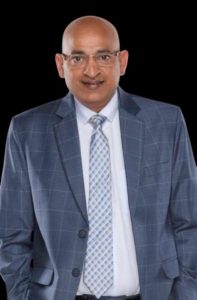
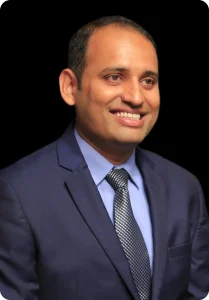
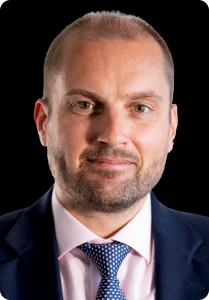
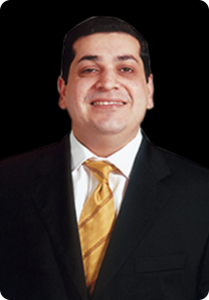
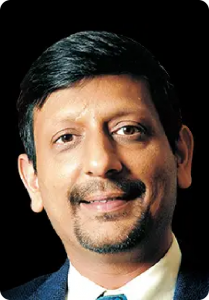
Essar Future Energy (EFE) participated at the India SAF Conclave and Awards 2026, organised by SAFA in New Delhi. Centred on the theme “Powering the SAF Transition,” the conclave brought together policymakers, industry leaders and heads of organisations from across the aviation and fuels value chain to discuss how India can build and scale a sustainable aviation fuel ecosystem. Essar was also one of the sponsors at the event and representing Essar Future Energy was Vibhav Agarwal, CEO, who spoke in the session on “Scaling India’s SAF Ambition: From Feedstocks and Production to Supply Chains and Demand.”

Vibhav opened by arguing that SAF will scale only when it becomes financeable. Every commercial activity, he said, is about how risks are distributed and how stakeholders see their own benefits. For a capital-intensive industry like SAF, he argued, someone ultimately has to write the cheque, and no one will do so without a fair assessment of risk. Viewing SAF through the lens of a lender answers most questions: is enough feedstock available and can it be tied into long-term contracts; is blending certain; will airlines and blenders commit to long-term offtake; and is there open access and adequate infrastructure at airports. Reframing the problem around how lenders think, he said, is what will make SAF scalable, sustainable and a sound business model.
He stressed that businesses should stay agnostic to the production pathway, whether HEFA, ethanol-to-jet or power-to-liquid. Some are available in the short term while others will be needed as technology and commercial scale mature, so all pathways deserve attention, with local context determining how SAF progresses.
On feedstock, Vibhav disagreed with the view that India suits only certain feedstocks. With 30 to 35 million tonnes of edible oil consumed annually, ignoring used cooking oil (UCO) would be a mistake. Even a 10% collection of discards could meet domestic needs and serve global demand, as China has shown. One state’s recent efforts have already lifted collection significantly, and government is now working on standard operating procedures.
Identifying policy as the biggest gap in India’s SAF ecosystem, followed by stakeholder acceptance, he called for three things from government. First, long-term regulatory certainty, with mandates spanning 10 to 15 years rather than 2 to 3, so that projects are investable and financeable. Second, access to capital, by including SAF and biofuel projects in the harmonised master list of infrastructure projects, since lenders look for precedent that does not yet exist in India. Third, a level playing field, as the Biofuel Policy 2018 does not contemplate private SAF producers selling or distributing their product. He called for market freedom to sell and price SAF, with regulators safeguarding participants, since otherwise the product will travel out of India.
The message from Vibhav was clear: That SAF in India will scale not on ambition alone- but on whether policy certainty, access to capital and market freedom make projects investable, positioning India as a global hub serving both domestic and international demand.










 User